Fibre to Fibre: The Future of Circular Workwear
From worn garments to new fibres – circular, transparent, and without exporting waste.
Together with Fibre to Fibre, we introduce a groundbreaking innovation that is transforming the workwear industry. After two years of development, this circular system is now fully operational – ready to bring old garments back to life.
How does it work?
From discarded clothing to high-quality new fibres
With Fibre to Fibre, we convert used workwear into new, high-quality textile fibres. The process starts in the Netherlands, where garments are carefully sorted and shredded into fibres. Only usable fibres move on to the next phase: they are compressed into bales and shipped to our specialised spinning mill in Bangladesh. There, they are processed into strong, circular yarns that form the foundation for new workwear.
Bangladesh is a conscious choice — the country has the right infrastructure, expertise, and technology to produce circular yarns on an industrial scale. This way, we combine local responsibility with international craftsmanship, without unnecessary environmental impact.
No export of textile waste – 100% responsible supply chain
All sorting and fibre processing take place in the Netherlands. Only valuable fibres are reused; remaining material stays within Europe and is recycled responsibly. As a result, no waste is exported, and the entire environmental impact remains under control.
Compliant with the latest EU EPR legislation
The European Extended Producer Responsibility (EPR) regulations require companies to take back textile waste and recycle at least 10% fibre-to-fibre. With Fibre to Fibre, we offer a concrete and scalable solution to meet these requirements — and take a proactive lead on future legislation.
Why choose Fibre to Fibre?
- Fully circular: From old workwear to new, high-quality garments.
- Sorting in the Netherlands: No export of textile waste; only reusable fibres remain in the loop.
- Sustainable innovation: Developed and tested by Fibre to Fibre in collaboration with industry leaders across multiple sectors.
- Premium quality: New garments with the same comfort, appearance, and durability as the originals.
- Competitive pricing: Efficient processes and short supply chains keep prices in line with conventional workwear.
The process includes collecting used workwear, locally sorting and fibreizing it in the Netherlands, and processing usable fibres into new yarns in Bangladesh. These yarns become the basis for new, durable workwear. This creates a closed, transparent, and future-proof textile chain – from fibre to fibre.

(Savings of fibers compared to conventional fibers (1KG))
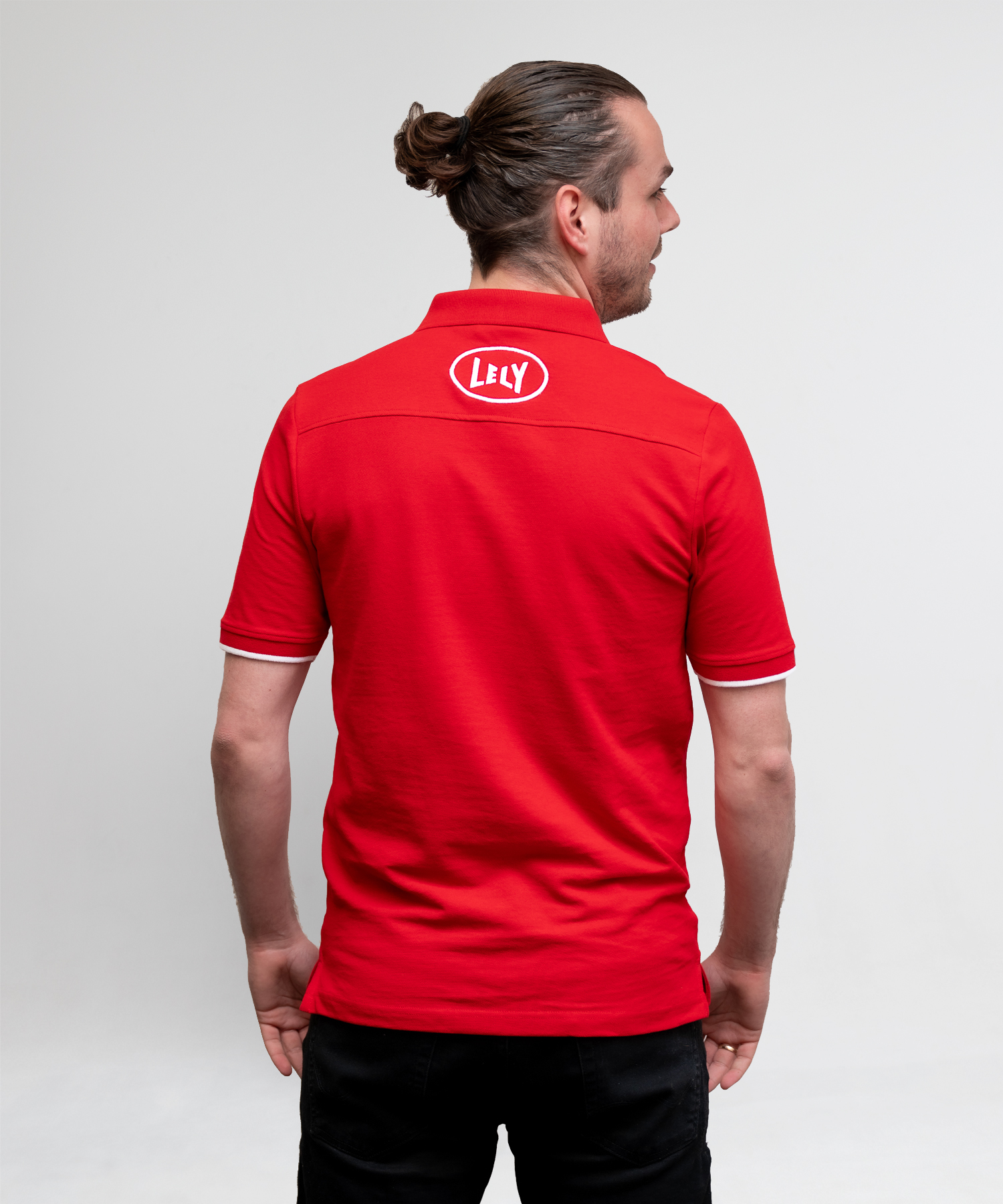
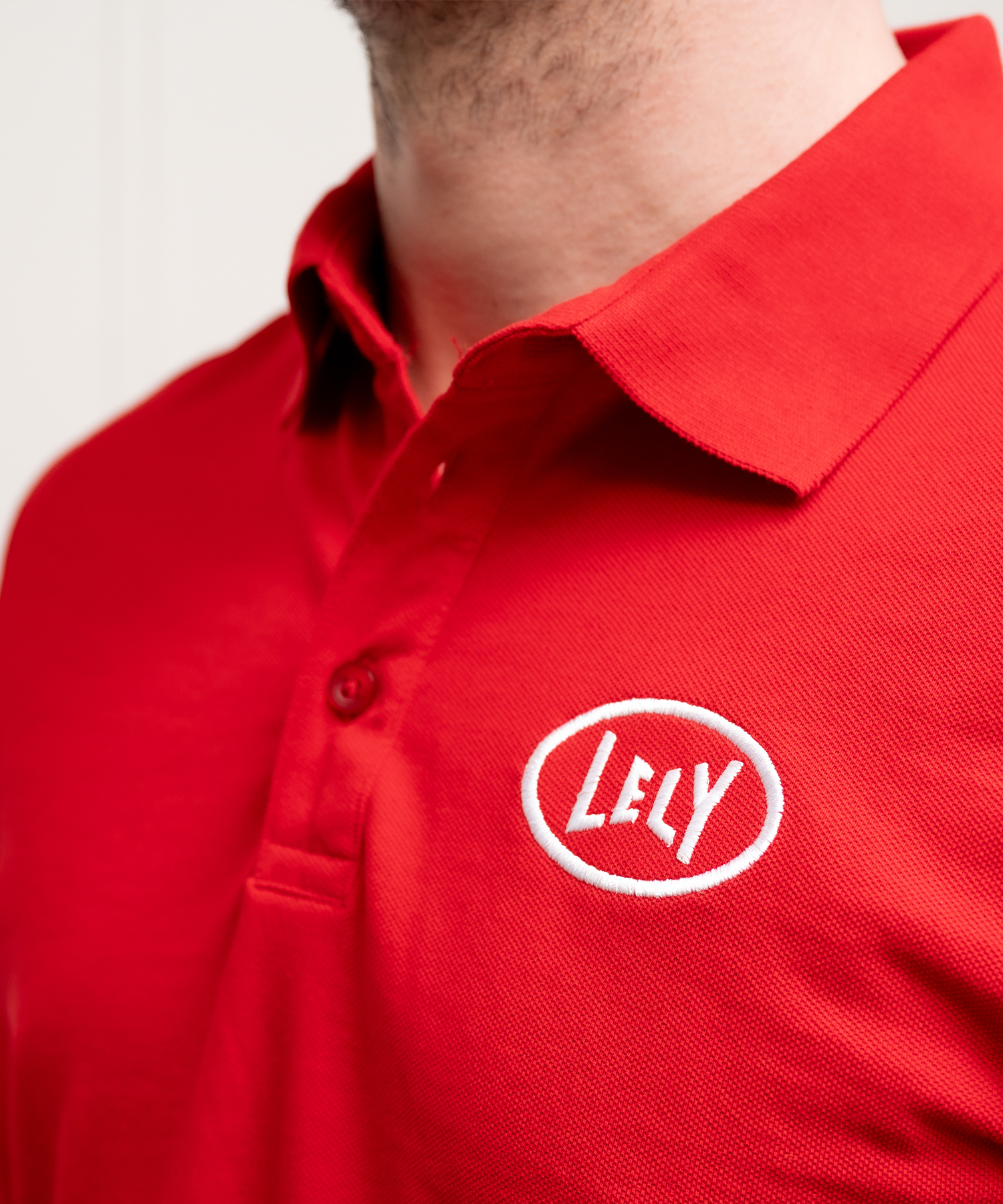
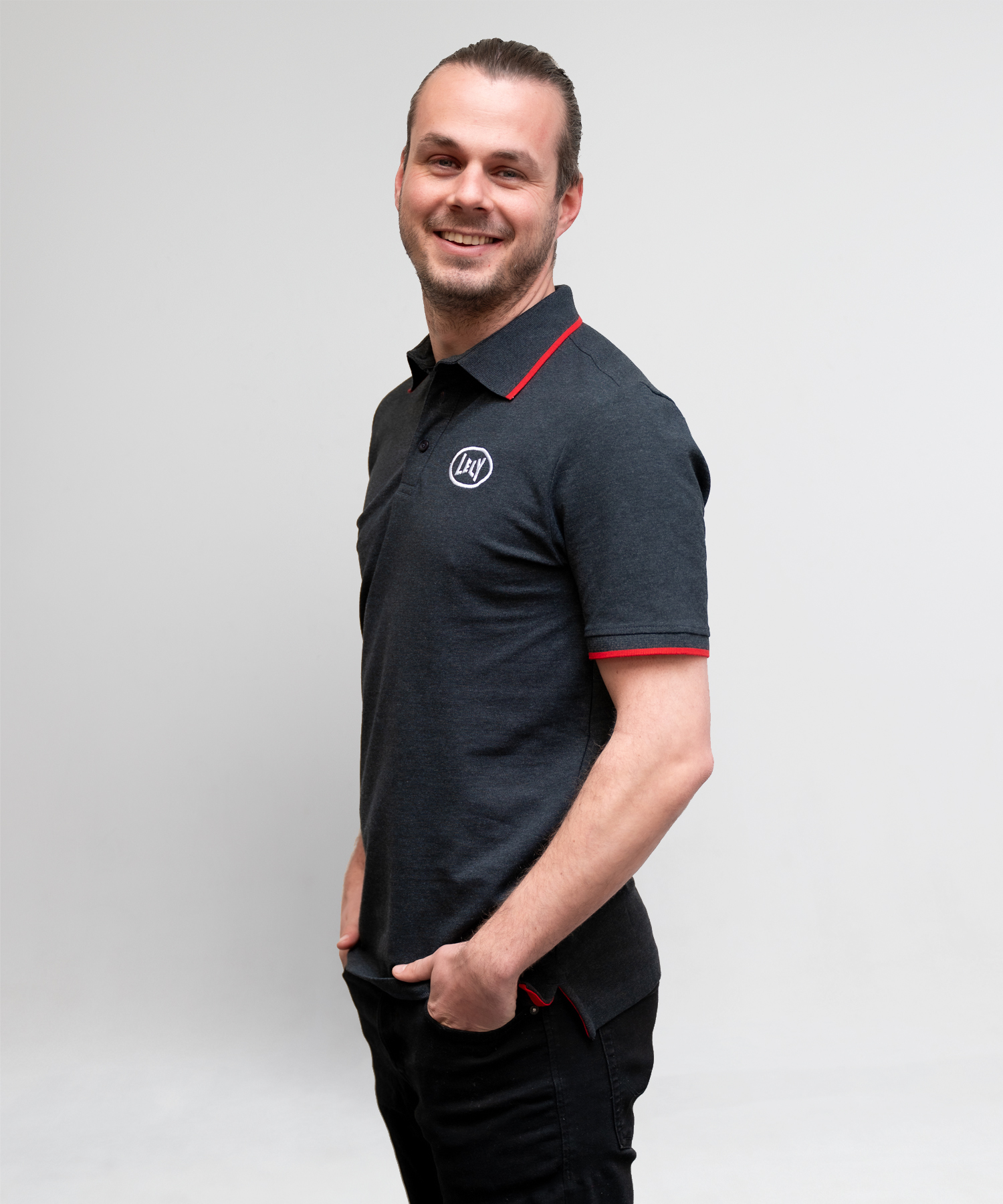
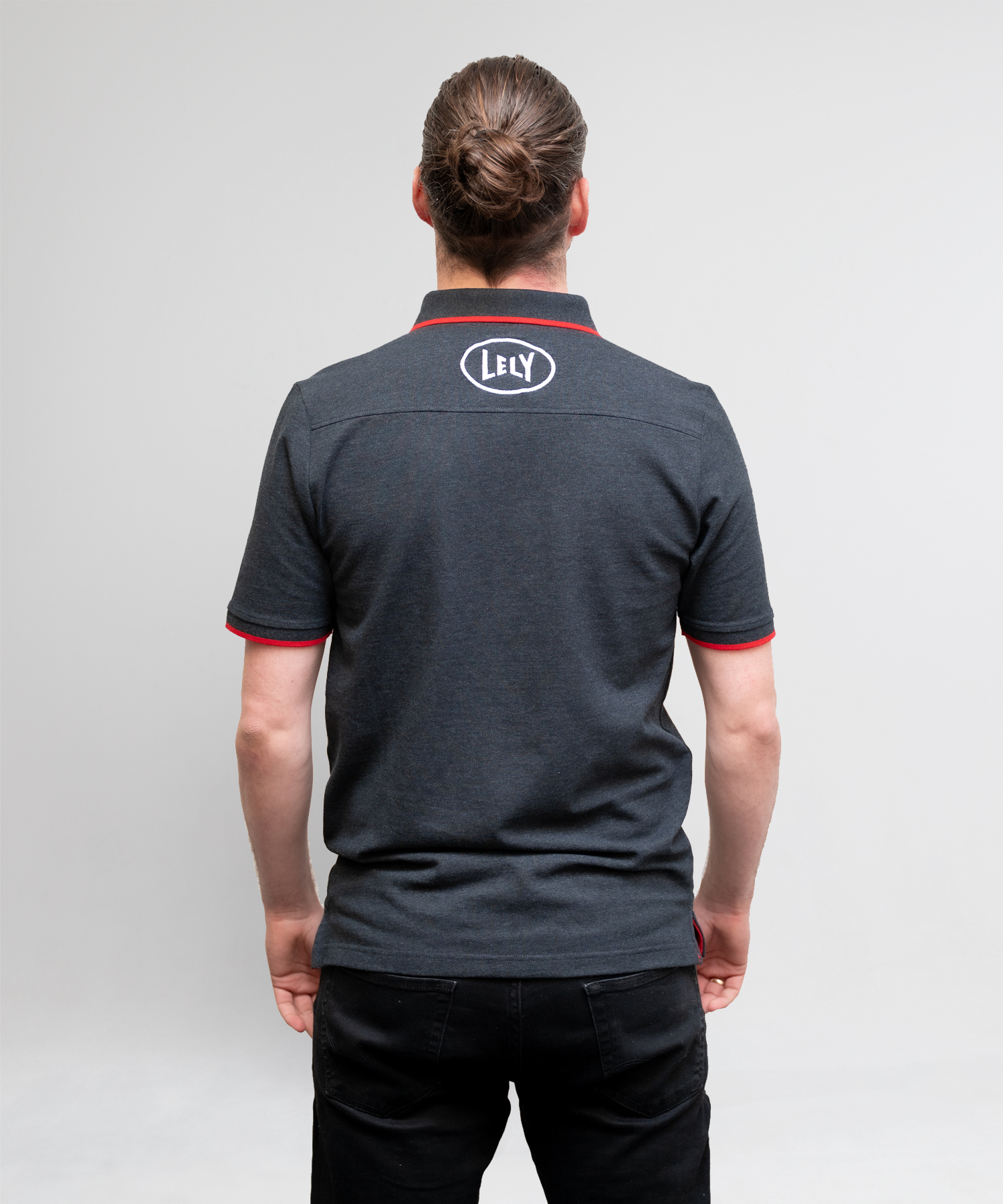
Circular Clothing in Action
Below, you can see some of the sustainable garments that have already been created using the circular fibers from the Fibre to Fibre initiative. These products are the result of reusing old workwear, contributing to the development of a circular fashion industry.




Towards a circular future – together
Would you like to transition to circular workwear? Discover how Fibre to Fibre can help your organisation implement a sustainable, compliant, and forward-thinking clothing model.
Get in touch!Companies that have already made the step towards circular clothing: